


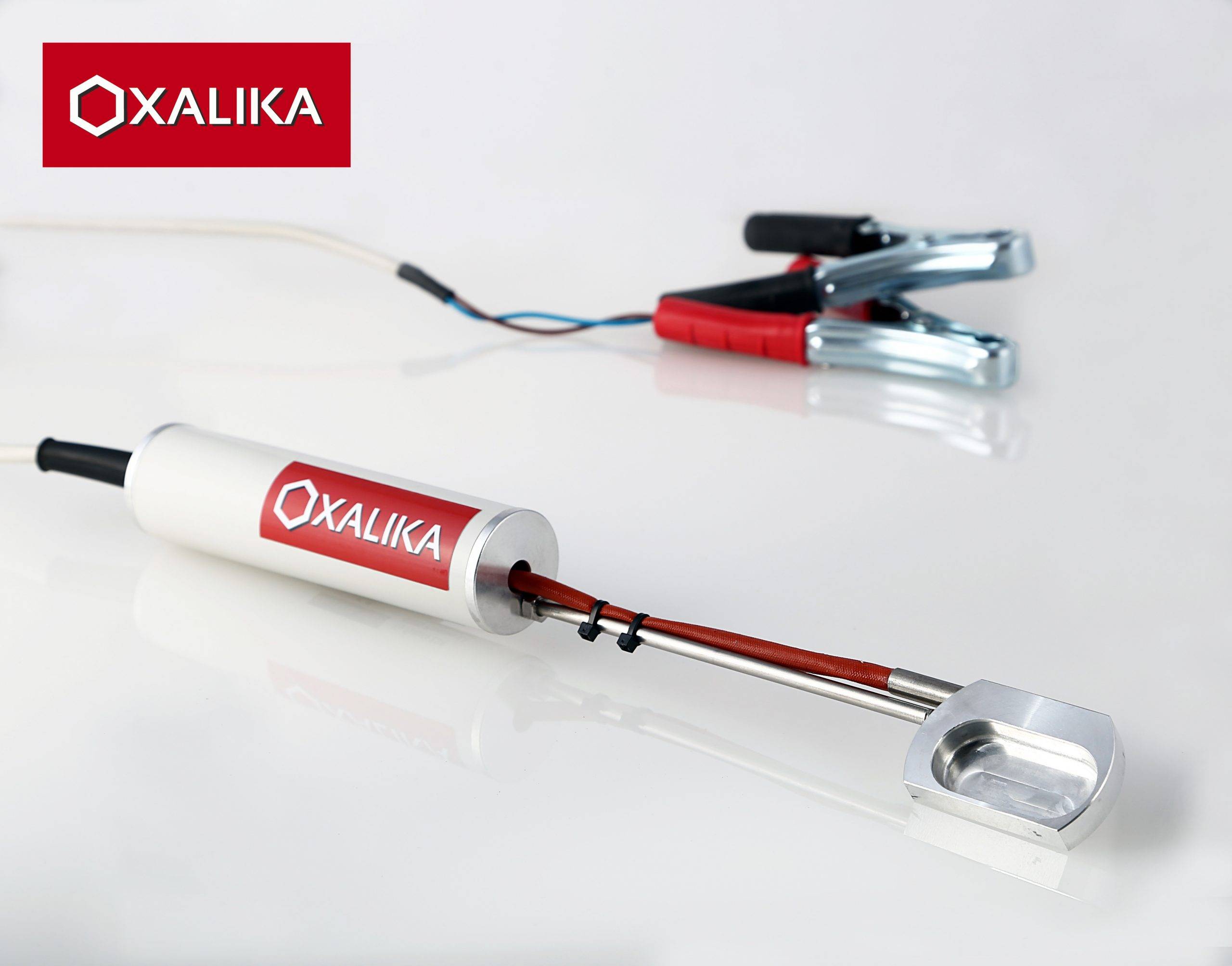
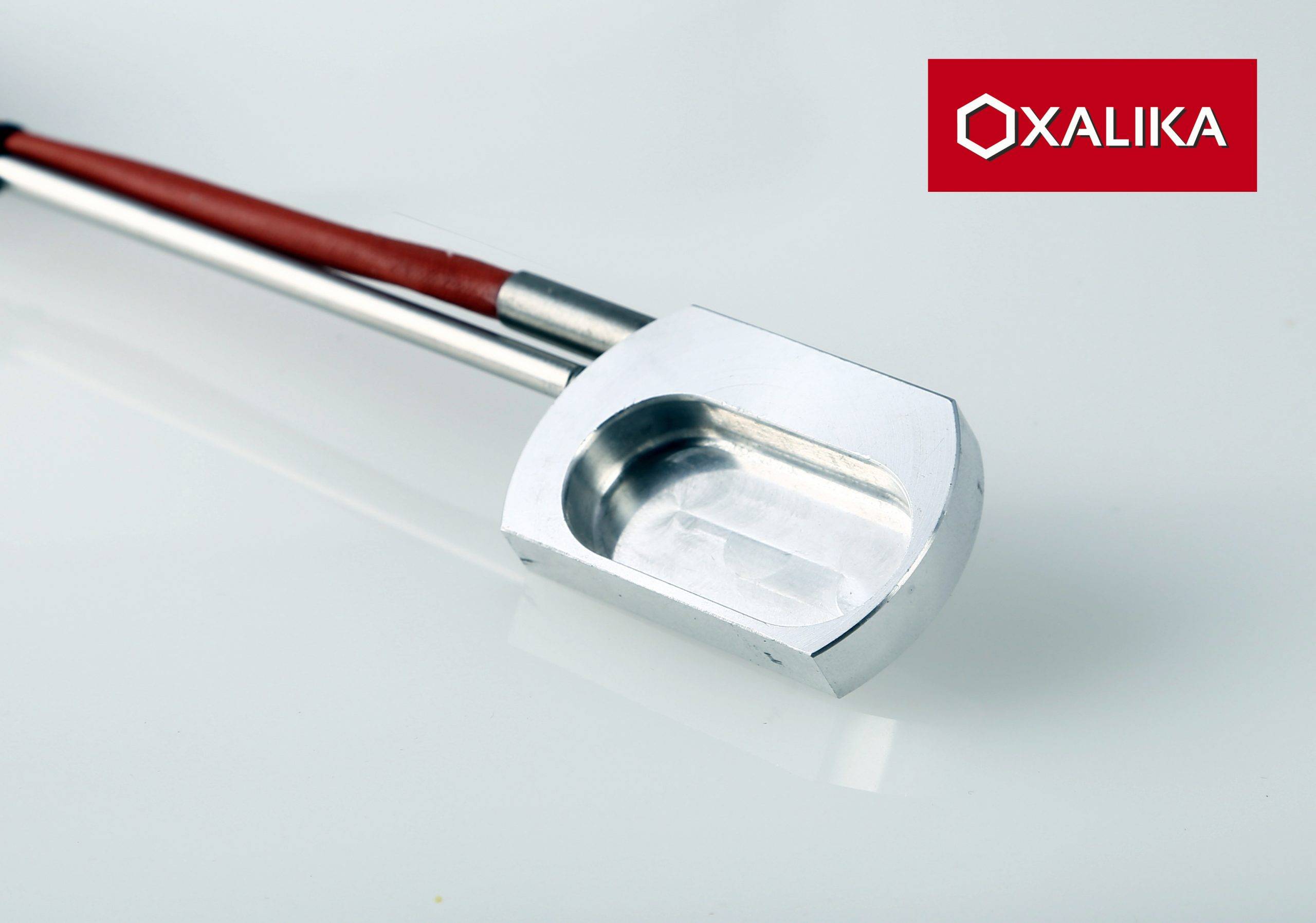
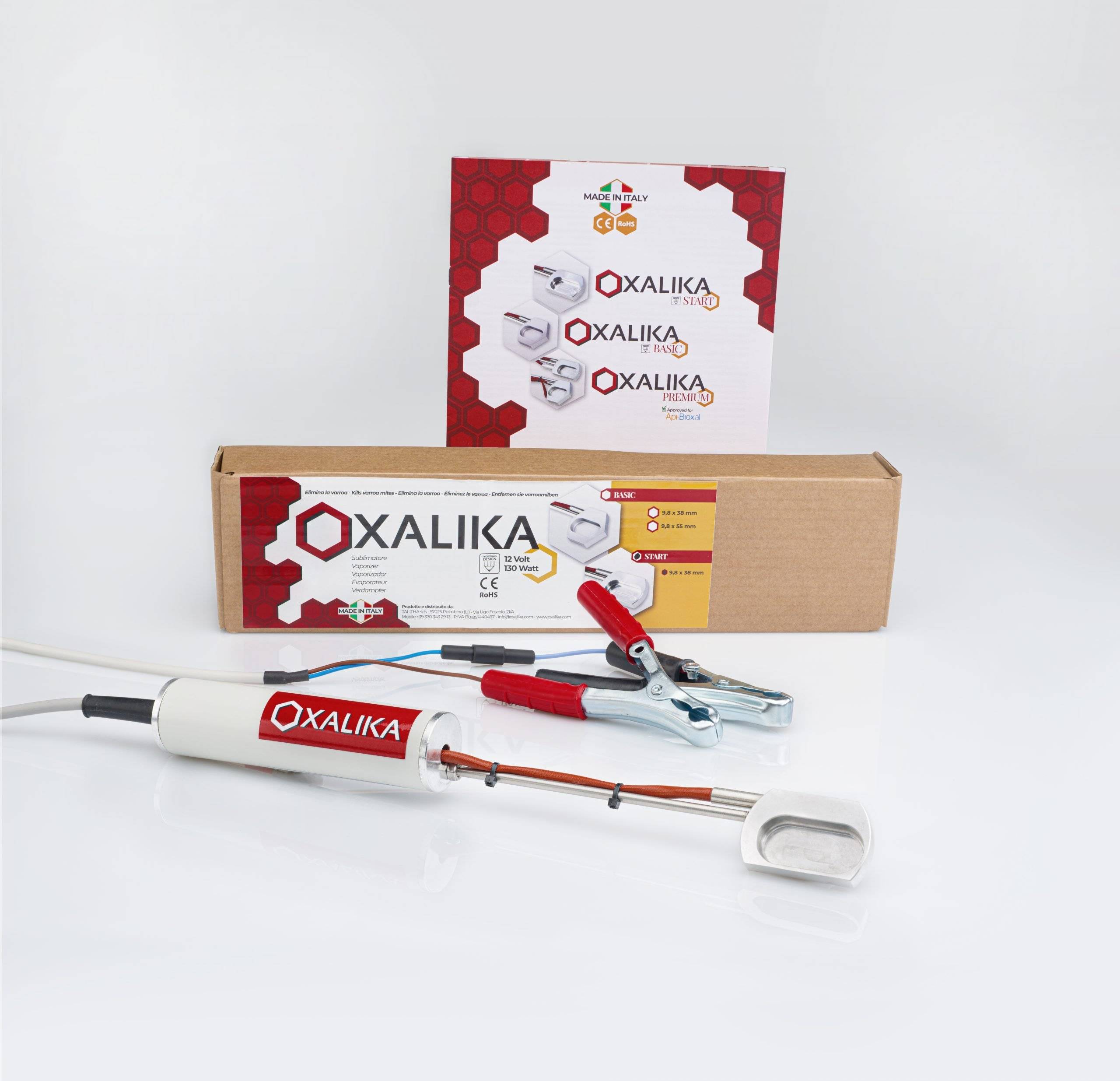
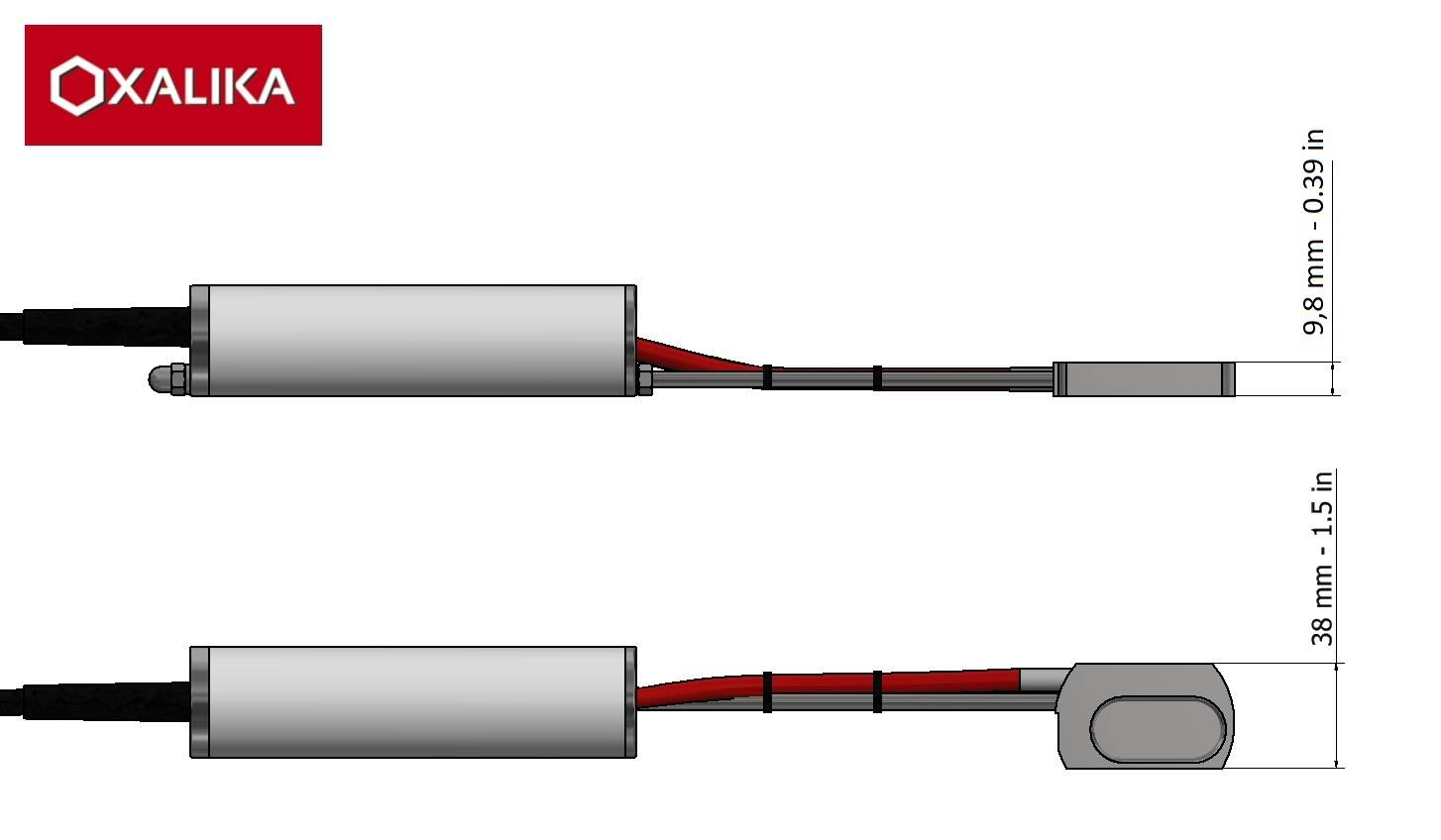
OXALIKA Basic Oxalic Acid Vaporizer
Cooling and Electrical Safety
The bowl can be immersed in water to speed up cooling.
The electrical circuit is insulated from the metal parts. Therefore, unlike some other vaporizers, there is no risk of a short circuit if several vaporizers powered by the same battery come into contact with one another.
Equipped with an electrical protection fuse.
Compliance and Use
The OXALIKA Basic vaporizer complies with the provisions of the following directives:
- 2011/65/EU (RoHS)
- 2014/30/EU (Electromagnetic Compatibility Directive)
This device is intended exclusively for beekeeping use, for the vaporization of oxalic acid suitable for this purpose.
The OXALIKA Basic vaporizer has been designed and manufactured to meet the specific requirements of Varroa treatments in occupied beehives.
The device is used for mite treatments on broodless colonies in November or December.
Thanks to the high effectiveness of the OXALIKA vaporizer (>96%), the Varroa population can be reduced so that the bees are in ideal condition for the following season.
Frequently Asked Questions
Why Does the OXALIKA Basic Vaporizer Need to Be Cooled Between Treatments?
Because the OXALIKA Basic vaporizer does not have temperature control. If it is not cooled, the bowl can reach excessively high temperatures (400–500 °C and even higher).
What Battery Can I Use with the Basic Model and How Many Hives Can I Treat?
With a 45 Ah car battery, you will have at least 2 hours of operating time and can perform at least 30–40 treatments using 2 grams of oxalic acid or 35–45 treatments using 1 gram of oxalic acid.
Of course, batteries vary in quality and efficiency.
To keep the battery efficient, the first rule is to make sure it is always charged, even when not in use.
To prevent loss of efficiency, the voltage should always remain above 12.4 V.
The second rule is to avoid complete discharge: the voltage should never fall below 11.5 V.
Documentation and Support
Download the manual
View and download OXALIKA product manuals.
Frequently Asked Questions (FAQ)
Find answers to the most common questions.
Learn more about oxalic acid and Varroa control
Research summary on oxalic acid application methods, including sublimation.

